Integration Trainings: A Step Towards Inclusion and Active Participation
15 October 2026
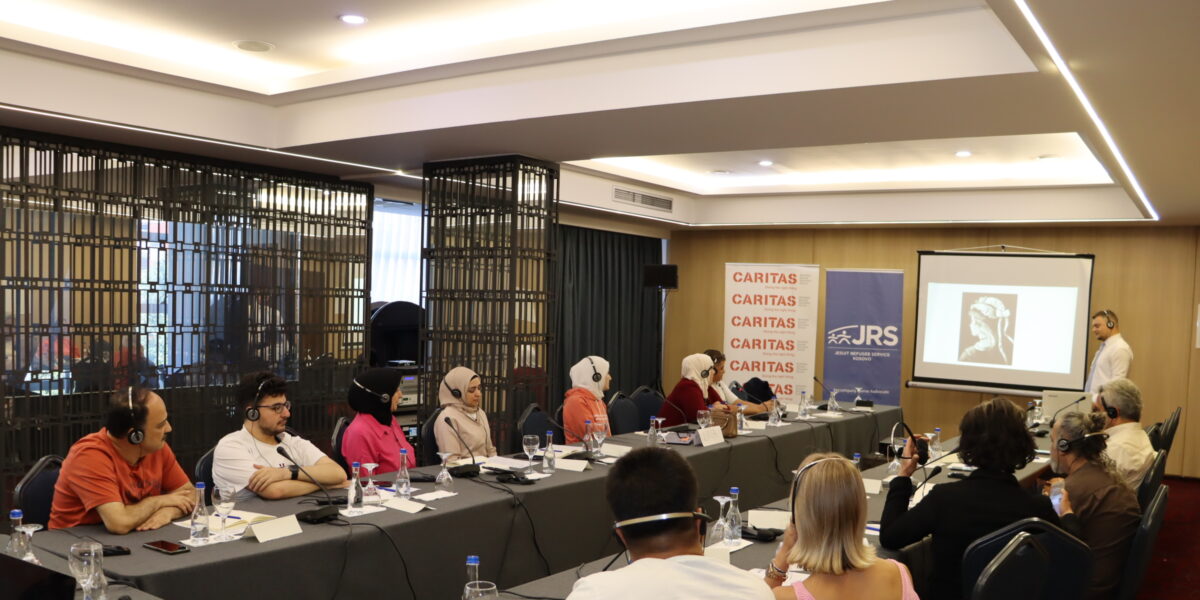
Integration is a process that begins with understanding the country where one lives, becoming familiar with its society, and creating opportunities to actively participate in it. With this spirit, we successfully concluded the Integration Trainings for persons with international protection in Kosovo.
Organized over eight days and divided into four thematic modules, the trainings provided important knowledge and information for life in Kosovo. Through interactive sessions and discussions with experts from various fields, participants had the opportunity to learn more about the history, culture, institutions, and everyday life of the country where they live and are building their future.
From Understanding Culture to Participating in Society
The trainings began with the module “Culture and Traditions in Kosovo,” where participants had the opportunity to become more familiar with the country’s culture, customs, and traditions. Understanding these elements helps people better navigate daily life and understand how social relationships are built within the communities where they live.
Beyond the training content itself, discussions during the sessions created opportunities for participants to share questions, experiences, and different perspectives. This made the learning process more interactive, creating space for dialogue and mutual understanding.
The second module, “History of the Republic of Kosovo,” focused on the key historical developments that have shaped present-day Kosovo. Understanding the history of the country where one lives is an important part of the integration process, as it helps individuals better understand its social, political, and cultural context.
Participants then continued with the module “Constitutional Order and State Organization,” which explored how the state and institutions of Kosovo function. Through this module, they became familiar with the fundamental principles of the constitutional order, public institutions, and important issues related to rights and civic responsibilities.
Understanding how institutions and state mechanisms operate is particularly important for people who are building their lives in a new country. It enables them to better understand where and how they can seek information, access support, and participate in civic life.
The final module, “Skills for Civil and Professional Life,” focused on more practical aspects of everyday and professional life. This module aimed to provide useful knowledge and skills for participation in civil, social, and professional life, linking the integration process with concrete opportunities for inclusion and active participation.
More Than a Training
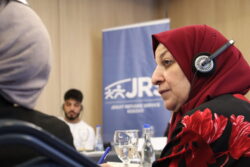
Integration is built through knowledge, mutual understanding, and respect. Through these trainings, participants gained new knowledge while also having the opportunity to exchange experiences, build connections, and discuss topics related to everyday life in Kosovo.
A stronger society is built when no one is left behind. Investing in integration means investing in coexistence, social cohesion, and communities where everyone has the opportunity to participate and contribute.
We thank all participants for their commitment and engagement throughout this process. We remain committed to supporting these efforts and contributing to the creation of opportunities for a more inclusive society.
The trainings were implemented under the project “Pathways to Socio-Economic Integration for Refugees and Repatriated Persons in Kosovo,” in partnership with Caritas Switzerland in Kosovo, as part of the Holistic Opportunities for Migration and Diaspora Engagement (HOME) project, with financial support of the Principality of Liechtenstein.