
Empowering refugees through health education
08 August 2026
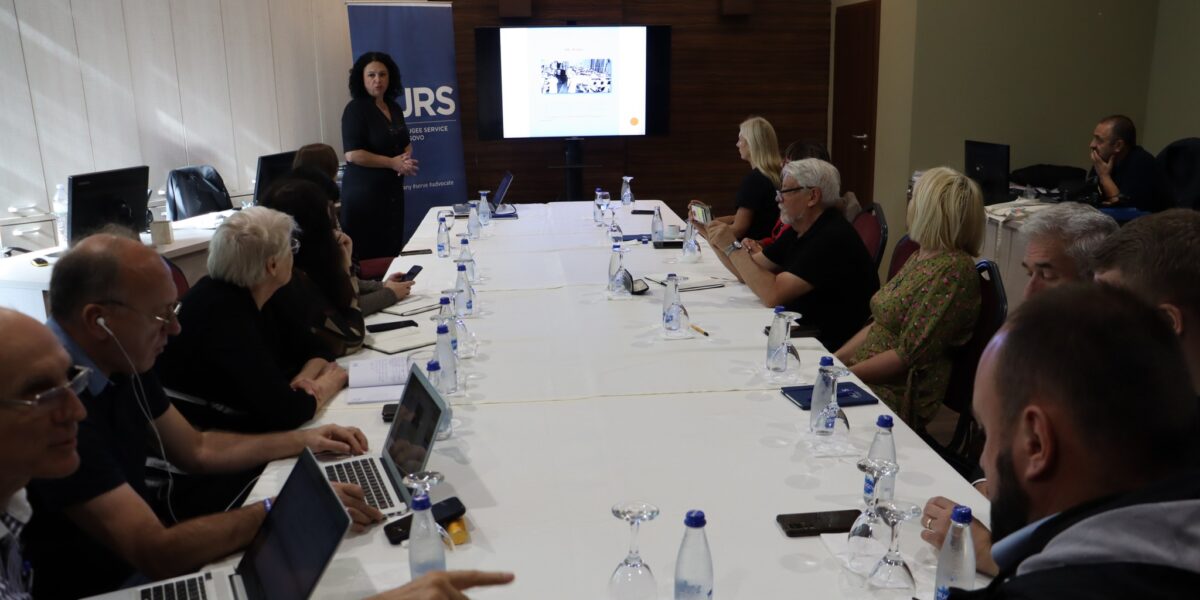
In recent months, we organized a series of informative health sessions designed to empower refugees by enhancing their understanding of the health system, addressing public health risks, and combating health-related misinformation. These sessions aimed to provide essential information, enabling refugees to make informed decisions about their health and well-being.
The first session focused on familiarizing refugees with Kosovo’s healthcare infrastructure. Participants were introduced to key health services, procedures for accessing care, and their rights within the system. Special emphasis was placed on practical steps to seek primary healthcare, emergency services, and specialized treatment.
In addition to navigating the system, the session tackled the growing issue of health disinformation. Refugees learned how to identify reliable health information and avoid misinformation, which can pose serious risks to their well-being. This part of the session encouraged critical thinking and promoted the use of trusted sources such as local healthcare institutions, NGOs, and international organizations.
Given the potential health risks associated with vector-borne diseases, a dedicated session was organized to raise awareness about the West Nile Virus (WNV). Refugees were educated about the causes, symptoms, and prevention of WNV, which is transmitted primarily through mosquito bites.
The session highlighted key preventive measures, including the importance of avoiding mosquito-prone areas, using insect repellents, and proper handling of standing water to reduce mosquito breeding grounds. This timely information helps equip refugees with practical knowledge to protect themselves and their families.
The third session revolved around the importance of vaccination and immunization in preventing communicable diseases. Participants were informed about the national immunization schedule and the availability of free vaccines. The session also aimed to dispel myths and fears surrounding vaccines by providing clear, evidence-based information.
Emphasis was placed on the role of vaccines in preventing outbreaks and protecting both individuals and the broader community. Refugees were encouraged to complete any missed vaccinations, especially for children, to ensure comprehensive protection against preventable diseases.
Participants expressed their gratitude for these health sessions, noting that the information was practical and essential for their integration into the local health system. The interactive format allowed for open discussions, addressing individual concerns and fostering trust between the participants and healthcare professionals.
Through these health sessions, we continue to strengthen the resilience of refugee communities by providing them with the tools and knowledge needed to manage their health effectively. These initiatives also foster greater integration by promoting trust and collaboration between refugees, healthcare providers, and local institutions.
We remain committed to supporting refugee communities with relevant information and access to essential services, ensuring no one is left behind.